
Introduction:
In today’s fast-paced digital world, mobile devices are more than just tools for communication — they are an essential part of our daily lives. From online shopping and social networking to banking and entertainment, almost every aspect of modern living is now mobile-driven. With billions of smartphone users worldwide, it’s no surprise that mobile marketing has become the cornerstone of modern digital marketing strategies.
This shift in consumer behavior has transformed how businesses connect with their audiences. Marketers are now focusing on delivering personalized, real-time, and accessible content through mobile platforms. The future of digital marketing is undeniably mobile, and businesses that fail to adapt risk falling behind in the competitive digital landscape.

The Rise of Mobile Users Globally
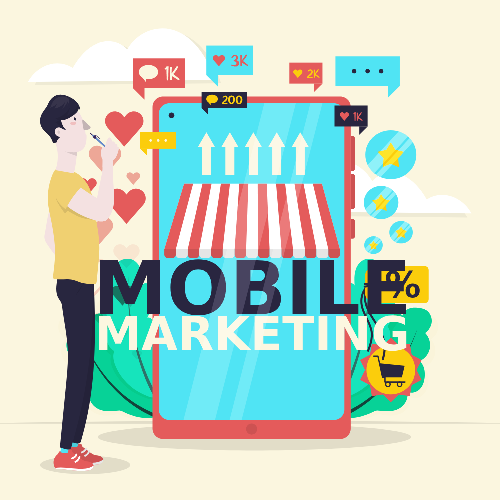
Over the past decade, the number of mobile users has skyrocketed, surpassing desktop usage in almost every market segment. According to recent statistics, more than 60% of global internet traffic comes from mobile devices. This explosive growth has redefined how consumers interact with brands, consume content, and make purchasing decisions.
Mobile-first behavior means that people are browsing, searching, and buying through their smartphones — often while on the go. Businesses have had to adapt by optimizing websites, apps, and advertisements for mobile users. As a result, mobile marketing has evolved from being a secondary strategy to the primary driver of engagement and conversions.
The Shift from Desktop to Mobile-First Strategies
In earlier years, digital marketing campaigns were designed primarily for desktop viewing, with mobile compatibility being an afterthought. Today, that approach has completely flipped. Brands now design with a mobile-first mindset, ensuring that content loads quickly, visuals are optimized, and navigation is seamless on smaller screens.
This change is not merely about screen size — it’s about understanding the behavior and context of mobile users. Unlike desktop users, mobile consumers expect instant results and personalized experiences. They are more likely to respond to location-based offers, push notifications, and mobile-friendly ads.
For instance, businesses that use responsive websites and mobile apps see higher engagement rates and lower bounce rates, as users prefer convenience and efficiency. The mobile-first revolution has made businesses reimagine digital marketing altogether.
The Power of Mobile Applications
Mobile applications (apps) have become one of the most effective tools for customer engagement. They offer a direct communication channel between brands and consumers, allowing for personalized experiences and instant interactions.
Apps can collect valuable data about user behavior, preferences, and purchasing habits, enabling marketers to tailor promotions and notifications accordingly. Moreover, apps often have better conversion rates than mobile browsers, as they provide smoother navigation, quicker checkouts, and built-in loyalty programs.
From e-commerce to finance, hospitality, and healthcare — every industry is leveraging apps to strengthen customer relationships and boost brand loyalty.
Personalization: The Core of Mobile Marketing
One of the main reasons mobile marketing stands out is its unparalleled ability to offer personalized experiences. Through data analytics, location tracking, and user insights, businesses can craft highly relevant messages that appeal to each customer individually.
For example, a retail app can send personalized discount notifications based on browsing history, while a food delivery platform can promote nearby restaurants during mealtime hours. This kind of real-time personalization drives higher engagement and sales because it aligns perfectly with user intent and timing.
In contrast to traditional marketing, which casts a wide net, mobile marketing focuses on precision and relevance — ensuring that every impression counts.
Enhancing Brand Awareness and Recall
Social media and mobile marketing go hand in hand. Platforms like Instagram, TikTok, and Facebook are designed primarily for mobile use, and they have become powerful tools for digital advertising. The mobile-friendly nature of these platforms has created countless opportunities for brands to connect with their audiences through stories, reels, live sessions, and direct messages.
Mobile social media marketing enables real-time engagement — users can react, share, and comment instantly. Influencer collaborations and targeted ad campaigns further enhance visibility and credibility. The result is a vibrant, two-way relationship between brands and consumers that’s deeply rooted in mobile interaction.
Mobile Commerce: Redefining the Shopping Experience
Mobile commerce, or m-commerce, is revolutionizing how consumers shop online. With secure payment gateways, user-friendly interfaces, and fast checkout systems, mobile shopping has become the new normal.
Brands are now integrating AI-driven recommendation engines, chatbots, and one-click purchases into their apps to make the buying process smoother. Moreover, features like augmented reality (AR) allow users to virtually “try on” products before purchase — creating engaging, immersive shopping experiences.
The convenience of mobile transactions is a major reason why consumers prefer mobile shopping over traditional e-commerce websites. For businesses, this means optimizing every stage of the customer journey for mobile engagement — from discovery to checkout.
Voice Search and Mobile Optimization
Voice technology has also become an integral part of mobile marketing. With the rise of digital assistants like Siri, Alexa, and Google Assistant, consumers are increasingly using voice commands for searches and purchases.
Optimizing content for voice search means focusing on conversational keywords and natural language. Businesses that adapt to this growing trend can gain an edge in search visibility and enhance user experience.
As voice search continues to evolve, marketers must ensure that their mobile websites and ads are designed to deliver quick, relevant, and voice-friendly results.
The Role of Mobile Analytics in Marketing Decisions
Data is the driving force behind modern mobile marketing strategies. Mobile analytics helps marketers understand how users interact with content, what drives engagement, and where drop-offs occur.
Through advanced tracking tools, businesses can analyze metrics like click-through rates, session duration, and conversion patterns. This data allows them to refine campaigns, personalize offers, and allocate budgets effectively.
Mobile analytics not only improves ROI but also fosters smarter decision-making, ensuring that every marketing dollar delivers maximum impact.
Integrating Mobile Marketing with Digital Ecosystems
Mobile marketing is not a standalone strategy — it complements every aspect of digital marketing. Whether it’s SEO, social media, content marketing, or email campaigns, mobile optimization enhances overall performance.
A unified digital ecosystem ensures that users have a consistent experience across all touchpoints. For example, a mobile ad can lead to an optimized landing page, which then guides users to download an app or make a purchase. This seamless integration creates a powerful customer journey that strengthens brand trust and loyalty.
The Future of Digital Marketing Lies in Mobile Innovation
Emerging technologies such as augmented reality (AR), virtual reality (VR), 5G, and artificial intelligence (AI) are pushing mobile marketing into new territories. These innovations promise faster connections, richer experiences, and more interactive engagement.
For instance, 5G will enable ultra-fast downloads and immersive live-streaming events, while AI will enhance predictive marketing and customer insights. Brands that embrace these advancements will lead the next wave of digital transformation.
Why Businesses in Coimbatore Should Embrace Mobile-First Digital Marketing
In dynamic markets like Coimbatore, where entrepreneurship and technology are booming, adopting mobile-centric marketing strategies is no longer optional — it’s essential. Consumers are increasingly relying on smartphones for every stage of their buying journey, from discovery to decision-making.
Businesses that invest in digital marketing in Coimbatore with a focus on mobile optimization can tap into this growing audience, improve brand reach, and enhance conversions.
How Byzero Elevates Mobile-Focused Digital Marketing Strategies
As a leading expert in digital marketing in Coimbatore, Byzero understands the power of mobile-first engagement. Byzero helps brands craft tailored mobile strategies that combine creativity, data, and technology — ensuring your business connects with customers anytime, anywhere.
From responsive web design and mobile app promotion to targeted ads and social media integration, Byzero delivers comprehensive solutions that drive results and build stronger customer relationships.
Partner with Byzero for Mobile-Driven Success
Conclusion
Mobile marketing is not just a trend — it’s the foundation of the future. As consumers continue to rely on mobile devices for communication, entertainment, and shopping, brands must evolve to meet them where they are.
By embracing mobile-centric strategies, businesses can deliver personalized experiences, boost engagement, and drive long-term loyalty. For brands looking to grow through digital marketing in Coimbatore, Byzero provides the expertise and innovation needed to lead in the ever-evolving mobile marketplace.
- The Importance of Responsive Design by a Web Design Company
- Why Mobile Marketing is the Future of Digital Marketing
- The Evolution of Influencer Marketing: From Popularity to Authenticity
- How Social Media Platforms and Websites are Evolving to Support Direct Purchases
- Discover the Rise of Voice Search and Optimizing Content for Smart Assistants
- AI-Powered Marketing: The Next Frontier of Personalized Customer Experiences
- How to Use Content Marketing to Boost Brand Awareness
- The Role of Email Marketing in 2024
- Is Social Media Marketing Better for B2C or B2B Businesses?
- How to Use Content Marketing to Boost Brand Awareness
- Local SEO vs. Global SEO: Which One Is Right for Your Business?
- Social Commerce: How to Sell Directly on Social Media Platforms
- The Impact of Short-Form Video Content on Social Media Marketing
- How AI is Transforming Digital Marketing: Key Strategies for 2024
- How to Create a High-Converting Digital Marketing Funnel in 2024
- The Power of Video Marketing: How to Create Videos That Drive Results
- SEO vs. SEM: Which Strategy is Right for Your Business?
- Top Digital Marketing Trends to Watch in 2024
- White Hat vs. Black Hat SEO: The Ethics of Backlink Building
- The Impact of Social Media on Backlink Building
- 6 Benefits of Knowing Digital Marketing Effectively
- How to Build an Effective Social Media Marketing Plan from Scratch
- 6 Ways to Get Noticed on Instagram
- The Rise of Micro-Influencers in Digital Marketing
- Transforming Social Media Platforms into Sales Channels: A Digital Marketer’s Guide
- Tips and tricks to know how digital marketers optimize ads
- How Coimbatore Companies Can Perform Technical SEO Audits of Websites
- SEO Secrets for Driving Coimbatore Brands to the Top of Search Results
- The Role of Color Psychology in Website Branding
- Key Elements Every Brand Website Should Have
- Guide to Refresh Your Brand’s Online Presence Effectively
- Making Your Website Google-Friendly in 2024
- Choosing the Right Website Design Approach for Coimbatore Businesses
- Paid Marketing vs. Organic Digital Marketing
- Implementing Digital Marketing Tactics for MSME Growth
- How to Choose the Right Digital Marketing Agency in Coimbatore
- Insights into Effective E-commerce Design Principles
- Understand the psychology of design and how it influences consumer behavior online.
- Understanding the Power of Engagement Metrics in Google Ads
- A Comprehensive Guide to Google Ads for Small Businesses
- Meta Boosts vs. Meta Campaigns: What’s the difference?
- Tips to Converting Your Targeted Audience to Followers
- Tricks for Digital Marketing Success
- How to Develop a Digital Marketing Strategy
- Instagram Marketing Tips for Businesses
- Tips to Grow Your Website Traffic
- How to get your business the first page on google
- Why blog? The benefits of blogging in business and marketing.
- The Rise of Social Commerce and Its Influence on Branding Strategies in the Digital Age
- Tactics To Get Great Customer Reviews
- Scaling Your Startup: Digital Marketing Strategies for Growth
- The Power of Logo Redesign: How Brands are Boosting Their Future Prospects.
- Mastering SEO for Business: Essential Strategies to Drive Traffic
- Role of User Experience (UX) in Effective Web Design
- Role of Branding in Building Trust with Customers
- Future of Web Design: Innovative Technologies and Trends
- Importance of Website Speed in User Experience and SEO
- The Role of Typography in Effective Web
- How to Develop a Brand Voice and Tone as a Web Designer
- Brand Voice and Web Designer…
- Latest Web Design Trends to Follow in 2023
- How to Use Social Media to Build Your Brand
- Importance of Brand Storytelling in Building Emotional Connections with Customers
- Benefits of Consistency in Branding Across All Marketing Channels
- Do logos, logotypes, and symbols that classifies a company?
- Future of Branding in a Digital World: Trends and Predictions
- Role of Branding in Attracting High-Value Clients
- Importance of Responsive Web Design for Mobile Devices.
- Building a Brand Strategy that Aligns with Your Business Goals
- Mental Illness Among Social Media Pros
- Incorporating Ethical Principles into Logo Design for Business
- Understanding the Importance of Content Marketing in the Digital Age