
Shopify vs WordPress: Which Is Better for Small Businesses in Erode?
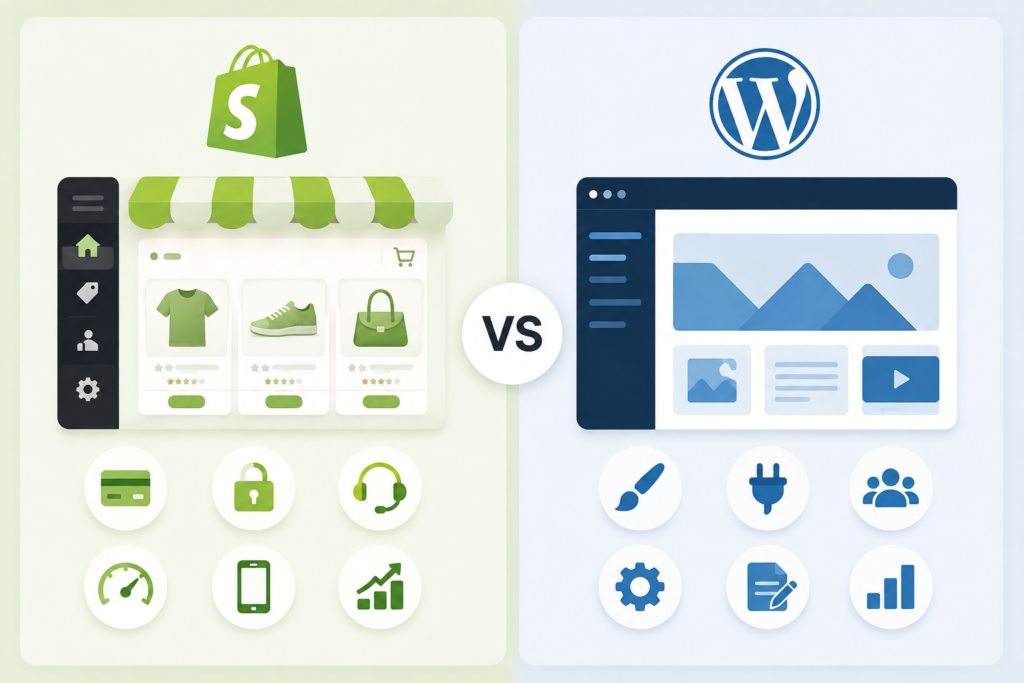
Erode’s textile units, garment exporters, and boutique retail shops are moving online faster than ever. But before you spend a single rupee on a website, there’s one question almost every business owner in Erode ends up asking: Shopify or WordPress?
Pick the wrong platform, and you could end up paying for redesigns, migrations, or a store that simply can’t keep up as you grow. Byzero Technologies works with both platforms, and the honest answer is: there’s no single winner, only the right fit for your business. This guide breaks down the real differences in cost, ease of use, design, SEO, and scalability, so you can make the call before you hire a developer.
Quick Answer
Shopify is better for small businesses in Erode that want a fast, ready-to-sell online store with low maintenance. WordPress (with WooCommerce) suits businesses that need full design control, content marketing, and long-term scalability. Choose Shopify for simplicity; choose WordPress for flexibility and growth.
What Is Shopify?
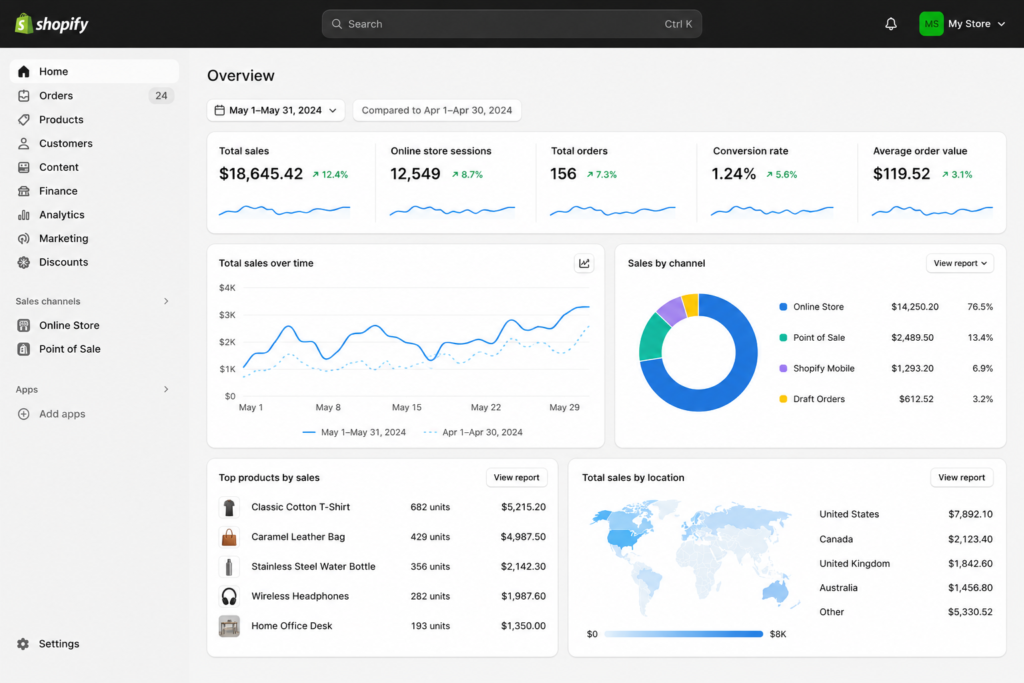
Shopify is a hosted ecommerce platform built specifically for online selling. Everything hosting, security, payments, and store management is bundled into one monthly subscription, so you don’t need to manage servers or plugins yourself.
Key features of Shopify:
- Ready-made, mobile-friendly themes
- Built-in payment gateway and checkout
- App store for adding features (reviews, loyalty programs, shipping tools)
- Automatic security updates and backups
Who Shopify is best for: Business owners who want to launch quickly, sell a defined set of products, and avoid ongoing technical maintenance. A strong fit for many first-time online sellers in Erode.
What Is WordPress?
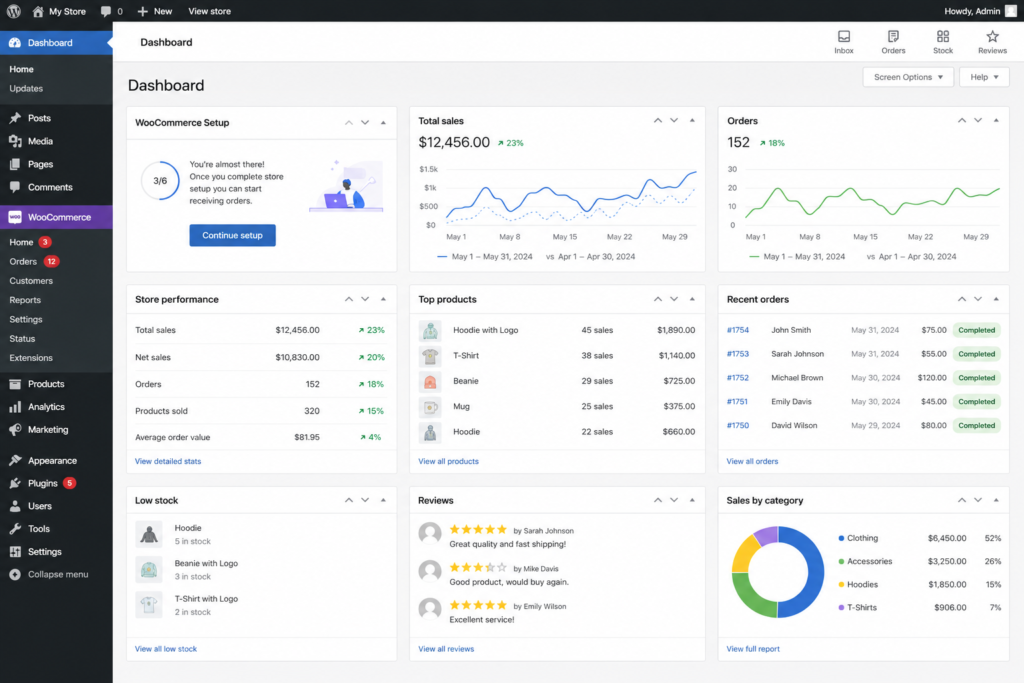
WordPress is an open-source content management system. On its own, it’s not built for selling; you add the WooCommerce plugin to turn it into a full online store.
WordPress + WooCommerce explained: WooCommerce is a free plugin that adds product pages, a shopping cart, and checkout to a WordPress site. You choose your own hosting, theme, and add-ons, which gives far more control but also more responsibility.
Who WordPress is best for: Businesses that plan to combine ecommerce with a blog, detailed product storytelling, or a highly customized design and are comfortable working with a web design company for ongoing support.
Shopify vs WordPress Head-to-Head Comparison
Factor | Shopify | WordPress (WooCommerce) |
Ease of setup | Beginner-friendly | Needs technical help |
Cost | Fixed monthly subscription | Hosting + plugins + dev time |
Design flexibility | Limited to themes | Fully customizable |
SEO capability | Good, less flexible | Highly flexible |
Maintenance | Managed by Shopify | Self- or agency-managed |
Best for | Fast-launch stores | Content + ecommerce hybrid |
Ease of Use for Beginners
If you’ve never built a website before, Shopify’s drag-and-drop editor and guided setup make it the easier starting point. WordPress has a steeper learning curve; you’re managing plugins, updates, and sometimes code, which is why most business owners bring in an agency rather than doing it solo.
Design & Customization Flexibility
Shopify themes are polished but somewhat restrictive; you’re working within a template. WordPress, on the other hand, gives near-unlimited design freedom, which matters if your brand needs a distinctive look or you’re planning to add non-store pages like a blog, gallery, or resource hub.
SEO Performance: Shopify vs WordPress
Both platforms can rank well on Google. Shopify has solid built-in SEO basics but limits how much you can fine-tune technical settings. WordPress offers deeper SEO control, custom URL structures, advanced plugins, and more flexibility for content marketing, which is one reason growth-focused businesses often lean toward it long-term.
Scalability for Growing Businesses
Shopify scales well for pure product sales, though costs rise as you move to higher-tier plans or add premium apps. WordPress scales differently; it grows with your content and customization needs, though it may require more hands-on management as traffic increases.
WooCommerce vs Shopify: What's the Real Difference?
This is one of the most common points of confusion. WooCommerce isn’t a competing platform; it’s a plugin that runs on WordPress. So the real comparison isn’t “WooCommerce vs Shopify” as two separate products; it’s “a fully managed platform (Shopify) vs a self-managed one built on WordPress (WooCommerce).”
Is WooCommerce better than Shopify for beginners? Not usually. WooCommerce offers more control, but it requires more setup and ongoing maintenance, which makes Shopify the more beginner-friendly starting point.
Questions About Process and Timeline
What Does Your Design and Development Process Look Like?
A clear, structured process — discovery, design draft, feedback, development, testing, launch — signals an agency that’s done this many times. A vague “we’ll just get started” answer often means the opposite.
How Long Will the Project Realistically Take?
Get a specific timeframe, not “a few weeks.” Ask what could extend it — usually, delays in feedback from your side are the biggest factor, and a good agency will tell you that upfront.
How Many Rounds of Revisions Are Included?
Unlimited revisions sound generous but often signal a lack of structure. Two to three focused rounds, clearly scoped, usually produce better results faster.
People also ask: How long does it take to build a business website? A straightforward small-business website typically takes two to six weeks from approved design to launch, depending on the number of pages, content readiness, and how quickly feedback is provided.
Questions About Outcome and Quality
Can I See Examples of Similar Websites You've Built?
Ask specifically for work in your industry or business size, not just their best three portfolio pieces. This tells you whether they understand businesses like yours.
Will the Website Be Mobile-Responsive and Fast-Loading?
This should be a given in 2026, but ask anyway. A vague “yes, of course” without specifics is a mild warning sign.
Is the Website Built with Basic SEO in Place?
Proper page titles, meta descriptions, clean URLs, and fast load times should be part of the build — not an expensive add-on offered after launch.
People also ask: What should a good business website include? A good business website includes clear navigation, mobile responsiveness, fast load times, a visible way to contact you, and basic on-page SEO — all built in from the start, not added later.
Which Platform Is Better for Small Businesses in Erode?
For textile units and garment exporters that mainly need to showcase and sell a product catalog quickly, Shopify is often the practical choice:ce fast to launch, low maintenance, and built for selling from day one.
For businesses that want to combine ecommerce with strong content think boutique brands telling a story, or D2C startups building an audience through blogging WordPress offers more room to grow without hitting a design ceiling.
If you’re just starting and want to get selling online without the technical overhead, our guide on launching an online store in Erode walks through the basics. And if you’ve already decided Shopify fits your business, we’ve covered why it works especially well for textile brands in Erode and Tiruppur.
Frequently Asked Questions
Is Shopify better than WordPress for ecommerce?
Shopify is generally easier and faster for pure ecommerce, while WordPress offers more flexibility if you need custom design or content features alongside your store.
Which is cheaper, Shopify or WordPress?
Shopify has a predictable monthly cost starting at $39/month for its Basic plan. WordPress can be cheaper for very simple sites but often costs more once you factor in hosting, plugins, and developer support.
Can I switch from WordPress to Shopify later?
Yes, migration is possible, but it takes planning to move products, content, and SEO rankings without losing traffic. It’s smoother to choose the right platform from the start.
Do I need coding knowledge for Shopify or WordPress?
Shopify requires little to no coding for a standard store. WordPress can be managed without code too, but customizations often need some technical help.
Which platform is better for SEO: Shopify or WordPress?
Both can rank well. WordPress generally offers more advanced SEO control, while Shopify covers the SEO essentials with less setup required.
How to Choose the Right Platform: A Quick Checklist
Choose Shopify if:
- You want to start selling quickly with minimal setup
- You’d rather not manage hosting, security, or plugin updates
- Your site is primarily a product catalog and checkout
Choose WordPress if:
- You need a highly customized design or brand experience
- Content marketing (blogging, resources) is part of your strategy
- You’re planning significant long-term growth and want full control
Still unsure? Our ecommerce development services cover both platforms, and we can help you map the decision to your specific business goals.
Final Thoughts
There’s no universal winner between Shopify and WordPress; the right platform depends on your budget, technical comfort, and where you see your business in the next few years. What matters most is choosing a partner who builds on the platform that fits your goals, not one that pushes a single solution to everyone.
Byzero Technologies is trusted by 20+ organizations across Tamil Nadu, spanning industries from textiles to healthcare and education, and we build on both Shopify and WordPress depending on what each business actually needs.
Not sure which platform fits your business? Talk to Byzero Technologies for a free consultation and get a custom recommendation for your Erode business. Contact us today.
- The Importance of Responsive Design by a Web Design Company
- Why Mobile Marketing is the Future of Digital Marketing
- The Evolution of Influencer Marketing: From Popularity to Authenticity
- How Social Media Platforms and Websites are Evolving to Support Direct Purchases
- Discover the Rise of Voice Search and Optimizing Content for Smart Assistants
- AI-Powered Marketing: The Next Frontier of Personalized Customer Experiences
- How to Use Content Marketing to Boost Brand Awareness
- The Role of Email Marketing in 2024
- Is Social Media Marketing Better for B2C or B2B Businesses?
- How to Use Content Marketing to Boost Brand Awareness
- Local SEO vs. Global SEO: Which One Is Right for Your Business?
- Social Commerce: How to Sell Directly on Social Media Platforms
- The Impact of Short-Form Video Content on Social Media Marketing
- How AI is Transforming Digital Marketing: Key Strategies for 2024
- How to Create a High-Converting Digital Marketing Funnel in 2024
- The Power of Video Marketing: How to Create Videos That Drive Results
- SEO vs. SEM: Which Strategy is Right for Your Business?
- Top Digital Marketing Trends to Watch in 2024
- White Hat vs. Black Hat SEO: The Ethics of Backlink Building
- The Impact of Social Media on Backlink Building
- 6 Benefits of Knowing Digital Marketing Effectively
- How to Build an Effective Social Media Marketing Plan from Scratch
- 6 Ways to Get Noticed on Instagram
- The Rise of Micro-Influencers in Digital Marketing
- Transforming Social Media Platforms into Sales Channels: A Digital Marketer’s Guide
- Tips and tricks to know how digital marketers optimize ads
- How Coimbatore Companies Can Perform Technical SEO Audits of Websites
- SEO Secrets for Driving Coimbatore Brands to the Top of Search Results
- The Role of Color Psychology in Website Branding
- Key Elements Every Brand Website Should Have
- Guide to Refresh Your Brand’s Online Presence Effectively
- Making Your Website Google-Friendly in 2024
- Choosing the Right Website Design Approach for Coimbatore Businesses
- Paid Marketing vs. Organic Digital Marketing
- Implementing Digital Marketing Tactics for MSME Growth
- How to Choose the Right Digital Marketing Agency in Coimbatore
- Insights into Effective E-commerce Design Principles
- Understand the psychology of design and how it influences consumer behavior online.
- Understanding the Power of Engagement Metrics in Google Ads
- A Comprehensive Guide to Google Ads for Small Businesses
- Meta Boosts vs. Meta Campaigns: What’s the difference?
- Tips to Converting Your Targeted Audience to Followers
- Tricks for Digital Marketing Success
- How to Develop a Digital Marketing Strategy
- Instagram Marketing Tips for Businesses
- Tips to Grow Your Website Traffic
- How to get your business the first page on google
- Why blog? The benefits of blogging in business and marketing.
- The Rise of Social Commerce and Its Influence on Branding Strategies in the Digital Age
- Tactics To Get Great Customer Reviews
- Scaling Your Startup: Digital Marketing Strategies for Growth
- The Power of Logo Redesign: How Brands are Boosting Their Future Prospects.
- Mastering SEO for Business: Essential Strategies to Drive Traffic
- Role of User Experience (UX) in Effective Web Design
- Role of Branding in Building Trust with Customers
- Future of Web Design: Innovative Technologies and Trends
- Importance of Website Speed in User Experience and SEO
- The Role of Typography in Effective Web
- How to Develop a Brand Voice and Tone as a Web Designer
- Brand Voice and Web Designer…
- Latest Web Design Trends to Follow in 2023
- How to Use Social Media to Build Your Brand
- Importance of Brand Storytelling in Building Emotional Connections with Customers
- Benefits of Consistency in Branding Across All Marketing Channels
- Do logos, logotypes, and symbols that classifies a company?
- Future of Branding in a Digital World: Trends and Predictions
- Role of Branding in Attracting High-Value Clients
- Importance of Responsive Web Design for Mobile Devices.
- Building a Brand Strategy that Aligns with Your Business Goals
- Mental Illness Among Social Media Pros
- Incorporating Ethical Principles into Logo Design for Business
- Understanding the Importance of Content Marketing in the Digital Age