
How Designers Align Corporate Profiles With Brand Identity
Introduction:
A corporate profile is more than a formal document—it is a strategic representation of a brand’s identity, values, and credibility. When designed effectively, it communicates who the company is, what it stands for, and why it matters. Aligning a corporate profile with brand identity is a critical task that requires deep understanding, creative thinking, and strategic execution.
This blog explores how professional designers ensure corporate profiles reflect brand identity accurately and consistently.

1. Understanding the Brand’s Core Identity
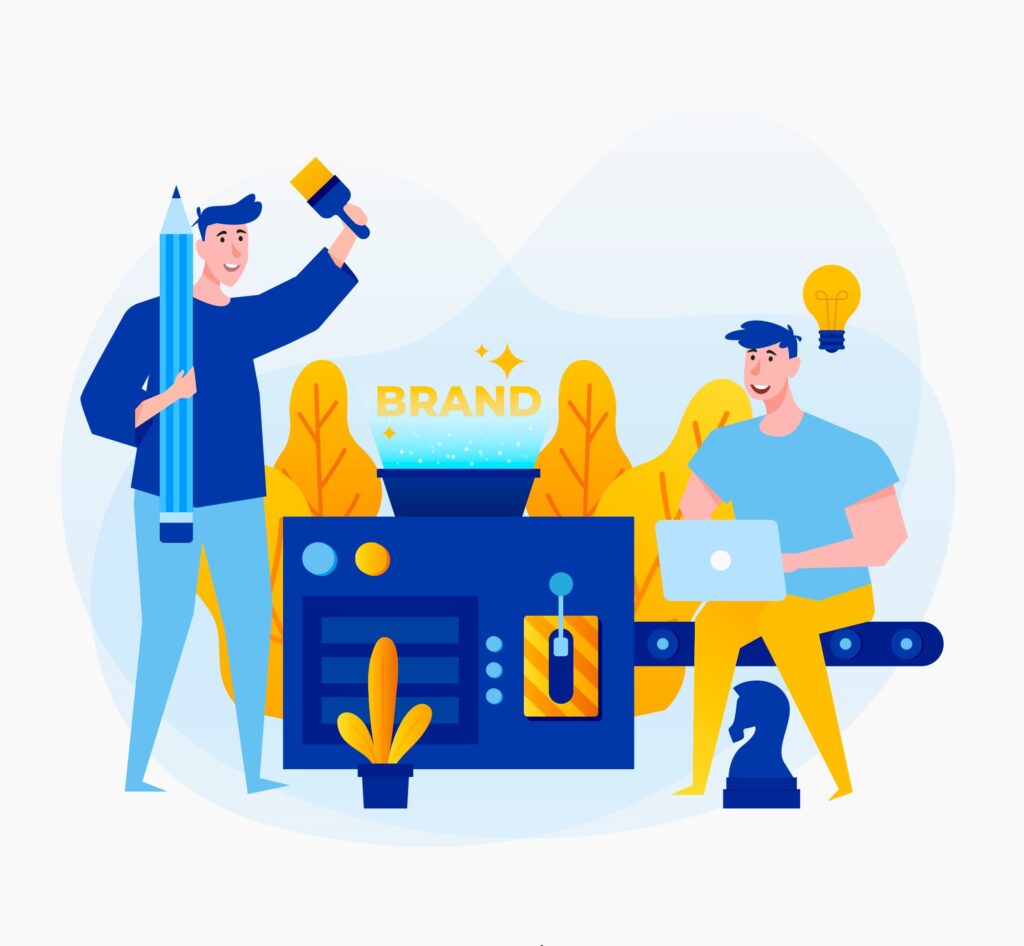
The alignment process begins with a thorough understanding of the brand’s foundation. Designers study the company’s mission, vision, values, and purpose to capture its essence.
This step ensures:
- Brand values are clearly reflected
- Messaging remains authentic
- Visual tone matches brand personality
Without this understanding, a corporate profile risks appearing generic or disconnected.
2. Translating Brand Personality Into Design
Every brand has a personality—professional, innovative, bold, minimalist, or traditional. Designers translate this personality into visual and content elements within the corporate profile.
This includes:
- Typography style
- Color palette usage
- Layout structure
- Image selection
When done right, the profile visually “feels” like the brand.
3. Maintaining Visual Consistency
Consistency is vital for brand recognition. Designers ensure the corporate profile adheres to established brand guidelines.
Key consistency elements include:
- Logo placement and usage
- Brand-approved fonts
- Color harmony
- Icon and graphic styles
Consistent visuals reinforce trust and professionalism.
4. Crafting Brand-Aligned Content
Content plays an equally important role in aligning corporate profiles with brand identity. Designers collaborate with content strategists to maintain the brand’s tone of voice.
This ensures:
- Messaging aligns with brand values
- Language suits the target audience
- Content is clear, concise, and impactful
Strong content supports the visual narrative.
5. Structuring Information Strategically
A well-structured corporate profile reflects how a brand wants to be perceived. Designers organize information logically to highlight strengths and achievements.
Effective structure includes:
- Clear company overview
- Strong value proposition
- Key services or products
- Achievements and milestones
Strategic flow enhances readability and engagement.
6. Aligning Design With Target Audience Expectations
Brand identity must resonate with the intended audience. Designers consider whether the audience includes investors, clients, partners, or stakeholders.
Audience-focused alignment involves:
- Appropriate design sophistication
- Relevant content depth
- Cultural sensitivity
- Professional tone
Audience alignment ensures relevance and impact.
7. Using Visual Storytelling
Designers use storytelling techniques to align corporate profiles with brand identity. Visual storytelling creates emotional connections and enhances recall.
This includes:
- Timeline visuals for brand journey
- Infographics for achievements
- Real images over stock visuals
- Consistent visual themes
Stories make brands memorable.
8. Highlighting Brand Differentiators
A strong corporate profile clearly communicates what sets a brand apart. Designers emphasize unique selling points through design hierarchy.
This may involve:
- Callout sections
- Feature highlights
- Comparison visuals
- Emphasis on core strengths
Differentiation strengthens brand positioning.
9. Ensuring Professional Credibility
Design quality directly impacts brand credibility. Designers ensure the corporate profile looks polished and trustworthy.
Professional elements include:
- Clean layouts
- Balanced spacing
- High-quality visuals
- Error-free content
Credibility builds confidence among stakeholders.
- Clean layouts
10. Adapting Profiles Across Formats
Corporate profiles may be used in print, digital, presentations, or websites. Designers ensure brand identity remains consistent across all formats.
Adaptability includes:
- Scalable design layouts
- Digital-friendly versions
- Presentation-ready formats
- Print-optimized designs
Consistency across formats reinforces brand strength.
11. Why a Corporate Profile Designer in Coimbatore Focuses on Brand Alignment
A professional corporate profile designer in coimbatore understands that alignment with brand identity is essential for building trust and recognition. Designers focus on maintaining consistency, clarity, and strategic storytelling to ensure the corporate profile accurately represents the brand’s positioning and long-term goals.
12. How Byzero Technologies Aligns Corporate Profiles With Brand Identity
Byzero Technologies, a trusted corporate profile designer in coimbatore, adopts a research-driven and strategy-first approach to corporate profile design. By deeply understanding each brand’s identity, values, and audience, Byzero Technologies creates corporate profiles that are visually compelling, content-rich, and perfectly aligned with brand identity.
13. Choosing the Right Corporate Profile Designer in Coimbatore
Conclusion
- The Importance of Responsive Design by a Web Design Company
- Why Mobile Marketing is the Future of Digital Marketing
- The Evolution of Influencer Marketing: From Popularity to Authenticity
- How Social Media Platforms and Websites are Evolving to Support Direct Purchases
- Discover the Rise of Voice Search and Optimizing Content for Smart Assistants
- AI-Powered Marketing: The Next Frontier of Personalized Customer Experiences
- How to Use Content Marketing to Boost Brand Awareness
- The Role of Email Marketing in 2024
- Is Social Media Marketing Better for B2C or B2B Businesses?
- How to Use Content Marketing to Boost Brand Awareness
- Local SEO vs. Global SEO: Which One Is Right for Your Business?
- Social Commerce: How to Sell Directly on Social Media Platforms
- The Impact of Short-Form Video Content on Social Media Marketing
- How AI is Transforming Digital Marketing: Key Strategies for 2024
- How to Create a High-Converting Digital Marketing Funnel in 2024
- The Power of Video Marketing: How to Create Videos That Drive Results
- SEO vs. SEM: Which Strategy is Right for Your Business?
- Top Digital Marketing Trends to Watch in 2024
- White Hat vs. Black Hat SEO: The Ethics of Backlink Building
- The Impact of Social Media on Backlink Building
- 6 Benefits of Knowing Digital Marketing Effectively
- How to Build an Effective Social Media Marketing Plan from Scratch
- 6 Ways to Get Noticed on Instagram
- The Rise of Micro-Influencers in Digital Marketing
- Transforming Social Media Platforms into Sales Channels: A Digital Marketer’s Guide
- Tips and tricks to know how digital marketers optimize ads
- How Coimbatore Companies Can Perform Technical SEO Audits of Websites
- SEO Secrets for Driving Coimbatore Brands to the Top of Search Results
- The Role of Color Psychology in Website Branding
- Key Elements Every Brand Website Should Have
- Guide to Refresh Your Brand’s Online Presence Effectively
- Making Your Website Google-Friendly in 2024
- Choosing the Right Website Design Approach for Coimbatore Businesses
- Paid Marketing vs. Organic Digital Marketing
- Implementing Digital Marketing Tactics for MSME Growth
- How to Choose the Right Digital Marketing Agency in Coimbatore
- Insights into Effective E-commerce Design Principles
- Understand the psychology of design and how it influences consumer behavior online.
- Understanding the Power of Engagement Metrics in Google Ads
- A Comprehensive Guide to Google Ads for Small Businesses
- Meta Boosts vs. Meta Campaigns: What’s the difference?
- Tips to Converting Your Targeted Audience to Followers
- Tricks for Digital Marketing Success
- How to Develop a Digital Marketing Strategy
- Instagram Marketing Tips for Businesses
- Tips to Grow Your Website Traffic
- How to get your business the first page on google
- Why blog? The benefits of blogging in business and marketing.
- The Rise of Social Commerce and Its Influence on Branding Strategies in the Digital Age
- Tactics To Get Great Customer Reviews
- Scaling Your Startup: Digital Marketing Strategies for Growth
- The Power of Logo Redesign: How Brands are Boosting Their Future Prospects.
- Mastering SEO for Business: Essential Strategies to Drive Traffic
- Role of User Experience (UX) in Effective Web Design
- Role of Branding in Building Trust with Customers
- Future of Web Design: Innovative Technologies and Trends
- Importance of Website Speed in User Experience and SEO
- The Role of Typography in Effective Web
- How to Develop a Brand Voice and Tone as a Web Designer
- Brand Voice and Web Designer…
- Latest Web Design Trends to Follow in 2023
- How to Use Social Media to Build Your Brand
- Importance of Brand Storytelling in Building Emotional Connections with Customers
- Benefits of Consistency in Branding Across All Marketing Channels
- Do logos, logotypes, and symbols that classifies a company?
- Future of Branding in a Digital World: Trends and Predictions
- Role of Branding in Attracting High-Value Clients
- Importance of Responsive Web Design for Mobile Devices.
- Building a Brand Strategy that Aligns with Your Business Goals
- Mental Illness Among Social Media Pros
- Incorporating Ethical Principles into Logo Design for Business
- Understanding the Importance of Content Marketing in the Digital Age