
How Color Psychology Impacts Your Website’s Performance
Introduction:
The Overlooked Power of Color
When it comes to website performance, most businesses focus on content quality, SEO, and responsive design. However, one subtle yet powerful factor that significantly influences user behavior is color psychology. Colors are more than just visual elements; they trigger emotions, shape perceptions, and impact how visitors interact with your website.
Understanding how colors affect user decisions can transform your website from being simply functional to highly persuasive and conversion‑driven.
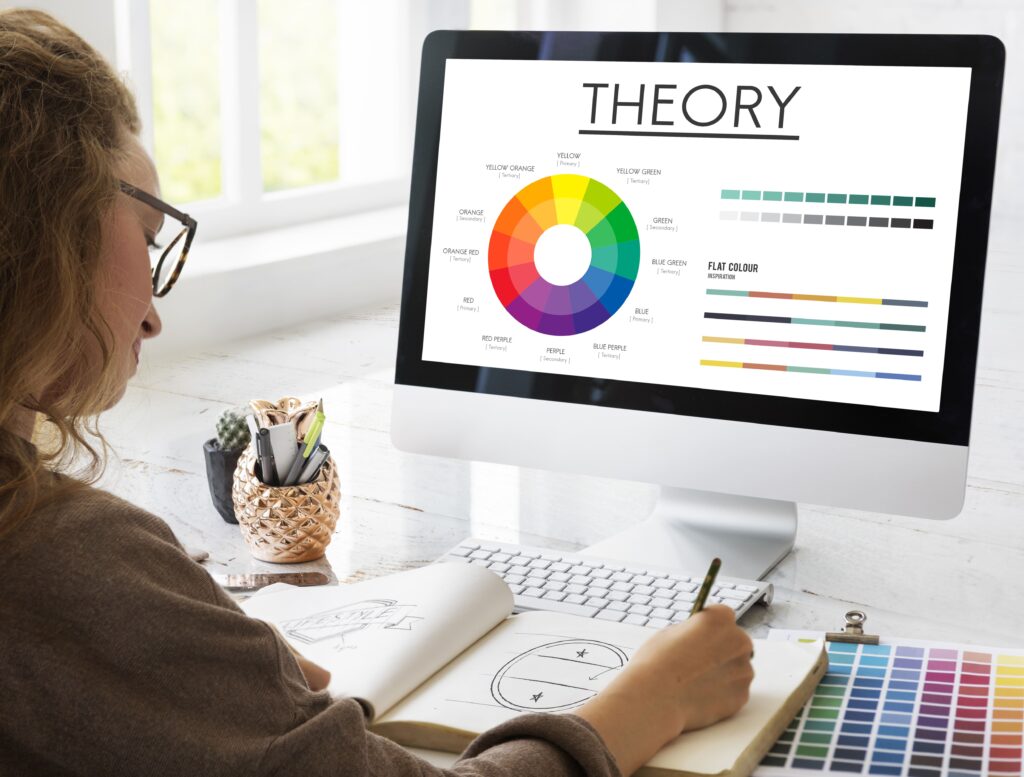

What Is Color Psychology in Web Design?
Color psychology is the study of how colors influence human emotions and behaviors. In web design, it involves selecting color schemes that create specific responses, such as trust, excitement, urgency, or calmness.
A strategically chosen palette can guide users to take action—click a button, sign up for a newsletter, or make a purchase without them even realizing they were influenced by color.
The Science Behind Color and Emotion
Research has shown that up to 90% of product judgments can be based on color alone. Different colors evoke different feelings:
- Red: Energy, passion, urgency
- Blue: Trust, reliability, professionalism
- Green: Growth, health, nature
- Yellow: Optimism, creativity, warmth
- Black: Sophistication, elegance, power
Websites that align their color choices with their brand personality and target audience can establish an emotional connection, increasing engagement and conversions.
Color and Branding: Building Recognition
One of the most significant roles of color is in creating brand recognition. Studies indicate that consistent color usage can improve brand awareness by up to 80%.
Think of major brands: Facebook’s blue inspires trust and stability, while Coca‑Cola’s red conveys excitement and energy. By integrating a consistent color scheme into your website, you reinforce your brand identity and make it memorable.
Color and Readability: Enhancing User Experience
A great design is useless if your visitors struggle to read your content. Poor contrast between background and text colors can lead to eye strain and quick exits.
Best practices for readability include:
- Using dark text on light backgrounds for body content.
- Avoiding overly bright or clashing colors that distract readers.
- Highlighting important information with accent colors strategically.
Clear, easy‑to‑read content keeps users engaged and encourages them to stay longer on your site.
How Color Influences Call‑to‑Action Buttons
Your call‑to‑action (CTA) buttons like “Buy Now,” “Subscribe,” or “Learn More”—are critical points of conversion. Their color can significantly impact click‑through rates.
For instance:
- Red or Orange: Creates urgency and draws attention.
- Green: Implies safety and “go ahead,” encouraging positive action.
- Blue: Suggests trust and security.
The key is to choose a color that contrasts with your website’s overall palette so that CTAs stand out and compel action.
The Role of Cultural Context in Color Choice
Color meanings vary across cultures. While white symbolizes purity in Western cultures, it represents mourning in some Eastern traditions. Similarly, red is considered lucky in China but can signify danger elsewhere.
For businesses catering to a global audience, understanding cultural color associations is crucial to ensure that your design resonates positively with all visitors.
Gender Preferences and Target Audience
Color preferences often differ by gender and age groups:
- Men: Prefer bold, darker shades like blue and black.
- Women: Tend to favor softer hues like purple, teal, or light blue.
- Younger audiences: More drawn to bright, energetic colors.
- Older audiences: Prefer muted, sophisticated palettes.
Tailoring color schemes to your audience demographics ensures your website appeals to the right emotional triggers.
Color Harmony and Balance
A website that uses too many colors or clashing combinations can confuse users and dilute your message. On the other hand, a balanced, harmonious palette creates a seamless browsing experience.
Designers often use color theory frameworks like:
- Analogous schemes: Colors next to each other on the color wheel, creating a soft, unified look.
- Complementary schemes: Opposite colors for high contrast and energy.
- Monochromatic schemes: Variations of one color for a clean, professional feel.
Color and Conversion Rate Optimization (CRO)
Color is not just about aesthetics it directly impacts revenue. Businesses have reported conversion rate increases of up to 35% after simply changing button or background colors.
Regular A/B testing of different color schemes can help determine what resonates most with your audience and drives the highest engagement.
Accessibility Considerations: Designing for Everyone
An often overlooked but crucial aspect of color usage is accessibility. People with visual impairments or color blindness may struggle to interact with your website if colors are not chosen carefully.
Accessibility best practices include:
- Maintaining sufficient contrast between text and background.
- Avoiding color‑only cues for important information.
- Using tools like WCAG contrast checkers to meet compliance standards.
A website that everyone can navigate comfortably ensures better inclusivity and reach.
Trends in Website Color Design
Modern web design trends favor:
- Minimalist Palettes: Fewer colors for a clean, uncluttered look.
- Bold Gradients: Adding depth and dimension to backgrounds and buttons.
- Soft Pastels: Conveying calmness and warmth, especially in wellness or creative niches.
- Dark Mode: Offering a sleek aesthetic and energy savings on OLED screens.
Staying updated with design trends helps your website look fresh and appealing without losing usability.
Integrating Color Psychology into Website Design in Coimbatore
Why Byzero Excels in Color‑Focused Website Design in Coimbatore
Byzero is known for blending creativity and strategy in Website Design in Coimbatore. Byzero’s design process emphasizes research‑driven color choices that align with branding goals and user behavior patterns. Their expertise ensures websites not only look visually stunning but also drive measurable business growth.
Building Business Success with Byzero – Your Trusted Partner for Website Design in Coimbatore
Color – A Powerful Tool for Website Success:
Color is more than decoration; it’s a strategic tool that affects how users perceive, interact with, and remember your brand online. By leveraging color psychology effectively, you can boost user satisfaction, increase conversions, and build a lasting digital impression.
Working with professionals like Byzero, a leading agency for Website Design in Coimbatore, ensures your site not only looks great but also performs exceptionally. The right color strategy can transform your website into a powerful business asset, turning visitors into loyal customers.
- The Importance of Responsive Design by a Web Design Company
- Why Mobile Marketing is the Future of Digital Marketing
- The Evolution of Influencer Marketing: From Popularity to Authenticity
- How Social Media Platforms and Websites are Evolving to Support Direct Purchases
- Discover the Rise of Voice Search and Optimizing Content for Smart Assistants
- AI-Powered Marketing: The Next Frontier of Personalized Customer Experiences
- How to Use Content Marketing to Boost Brand Awareness
- The Role of Email Marketing in 2024
- Is Social Media Marketing Better for B2C or B2B Businesses?
- How to Use Content Marketing to Boost Brand Awareness
- Local SEO vs. Global SEO: Which One Is Right for Your Business?
- Social Commerce: How to Sell Directly on Social Media Platforms
- The Impact of Short-Form Video Content on Social Media Marketing
- How AI is Transforming Digital Marketing: Key Strategies for 2024
- How to Create a High-Converting Digital Marketing Funnel in 2024
- The Power of Video Marketing: How to Create Videos That Drive Results
- SEO vs. SEM: Which Strategy is Right for Your Business?
- Top Digital Marketing Trends to Watch in 2024
- White Hat vs. Black Hat SEO: The Ethics of Backlink Building
- The Impact of Social Media on Backlink Building
- 6 Benefits of Knowing Digital Marketing Effectively
- How to Build an Effective Social Media Marketing Plan from Scratch
- 6 Ways to Get Noticed on Instagram
- The Rise of Micro-Influencers in Digital Marketing
- Transforming Social Media Platforms into Sales Channels: A Digital Marketer’s Guide
- Tips and tricks to know how digital marketers optimize ads
- How Coimbatore Companies Can Perform Technical SEO Audits of Websites
- SEO Secrets for Driving Coimbatore Brands to the Top of Search Results
- The Role of Color Psychology in Website Branding
- Key Elements Every Brand Website Should Have
- Guide to Refresh Your Brand’s Online Presence Effectively
- Making Your Website Google-Friendly in 2024
- Choosing the Right Website Design Approach for Coimbatore Businesses
- Paid Marketing vs. Organic Digital Marketing
- Implementing Digital Marketing Tactics for MSME Growth
- How to Choose the Right Digital Marketing Agency in Coimbatore
- Insights into Effective E-commerce Design Principles
- Understand the psychology of design and how it influences consumer behavior online.
- Understanding the Power of Engagement Metrics in Google Ads
- A Comprehensive Guide to Google Ads for Small Businesses
- Meta Boosts vs. Meta Campaigns: What’s the difference?
- Tips to Converting Your Targeted Audience to Followers
- Tricks for Digital Marketing Success
- How to Develop a Digital Marketing Strategy
- Instagram Marketing Tips for Businesses
- Tips to Grow Your Website Traffic
- How to get your business the first page on google
- Why blog? The benefits of blogging in business and marketing.
- The Rise of Social Commerce and Its Influence on Branding Strategies in the Digital Age
- Tactics To Get Great Customer Reviews
- Scaling Your Startup: Digital Marketing Strategies for Growth
- The Power of Logo Redesign: How Brands are Boosting Their Future Prospects.
- Mastering SEO for Business: Essential Strategies to Drive Traffic
- Role of User Experience (UX) in Effective Web Design
- Role of Branding in Building Trust with Customers
- Future of Web Design: Innovative Technologies and Trends
- Importance of Website Speed in User Experience and SEO
- The Role of Typography in Effective Web
- How to Develop a Brand Voice and Tone as a Web Designer
- Brand Voice and Web Designer…
- Latest Web Design Trends to Follow in 2023
- How to Use Social Media to Build Your Brand
- Importance of Brand Storytelling in Building Emotional Connections with Customers
- Benefits of Consistency in Branding Across All Marketing Channels
- Do logos, logotypes, and symbols that classifies a company?
- Future of Branding in a Digital World: Trends and Predictions
- Role of Branding in Attracting High-Value Clients
- Importance of Responsive Web Design for Mobile Devices.
- Building a Brand Strategy that Aligns with Your Business Goals
- Mental Illness Among Social Media Pros
- Incorporating Ethical Principles into Logo Design for Business
- Understanding the Importance of Content Marketing in the Digital Age